A few years ago at the Association for Midwest Museums Conference in St. Louis, I attended a session on museums as economic drivers for small towns. The presenters were the Mayor, City Administrator, Tourism Director and a few museum operators from Pontiac, IL. Pontiac is located on Route 66 and has just over 11,000 residents.
The story begins with Betty Estes. She was the first tourism director for the city of Pontiac. She was very concerned about the potential demolition of the old Pontiac City Hall and Fire House Building c. 1900. Betty knew that many travelers from all over the world passed through Pontiac on Route 66.
The Illinois Route 66 Hall of Fame began in 1990. It started by inducting people who significantly contributed to the history and preservation of the highway. Originally, the Hall of Fame exhibits were outgrowing their home in a small museum in McLean, Illinois. (Just about 45 minutes south of Pontiac on Route 66.)
Betty’s crusade to find a create use for the building eventually involved the Mayor and City Administrator. The city of Pontiac embraced the project and transformed the building into a museum space. Since then, it has become one of the top Route 66 attractions in Illinois. The city helped acquire the exhibits. In 2004, they were placed inside the historic firehouse building. The Route 66 Hall of Fame and Museum serves to preserve and honor people. It also honors the businesses and culture of Illinois’ stretch of Route 66. The museum is not just about the road. It’s about the stories of the people who lived along it. It tells of those who worked on it and promoted its spirit.
If that story alone wasn’t impressive, there is more!
Also established in 2004 is the Livingston County War Museum. World War II veterans Dal Estes (Husband to Betty!) and Neil Bach established this living, hands-on museum on the third floor of the old City Hall Building. It serves to recognize the sacrifices and service of U.S. military veterans from Livingston County. The Museum hosts schools, civic groups, and the general public tells the history of local veterans. This spans from World War I to the present conflicts. Nearly 300 full uniforms are displayed on mannequins honoring veterans. Cases display weapons, radios, meal rations, and photos. They also display equipment and other military-related items. These were donated and loaned to the museum by the veterans themselves and their families.

A Few Years Later…
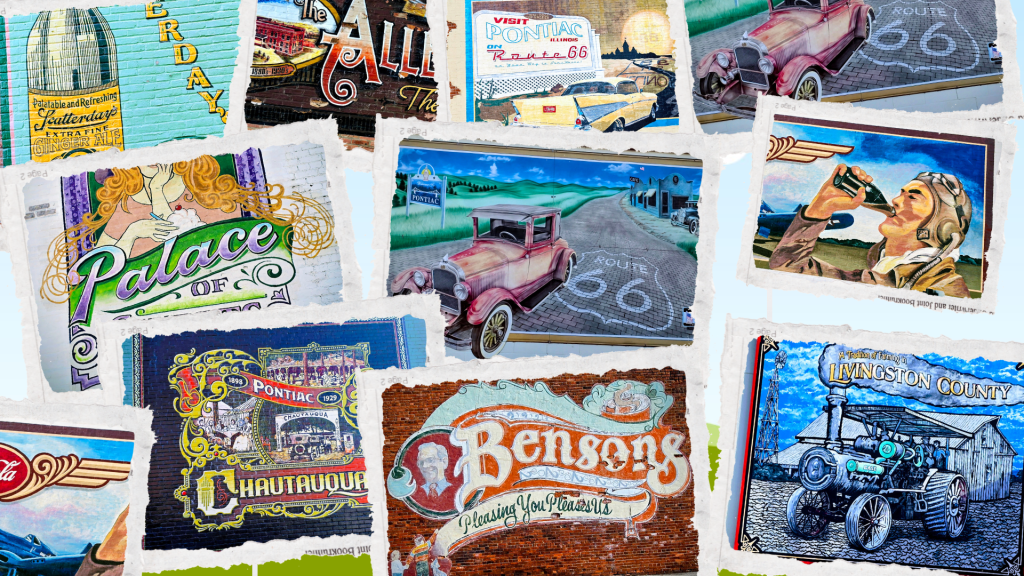
In the spring of 2010 the International Walldog Mural & Sign Art Museum was opened in Pontiac. The purpose of the museum was to appreciate murals & similar advertisements that have been painted throughout the world. It also aimed to preserve this art for future generations. The museum closed in 2018, but was instrumental in bringing other museums to town. The artwork lives on in murals all over town.
And then…
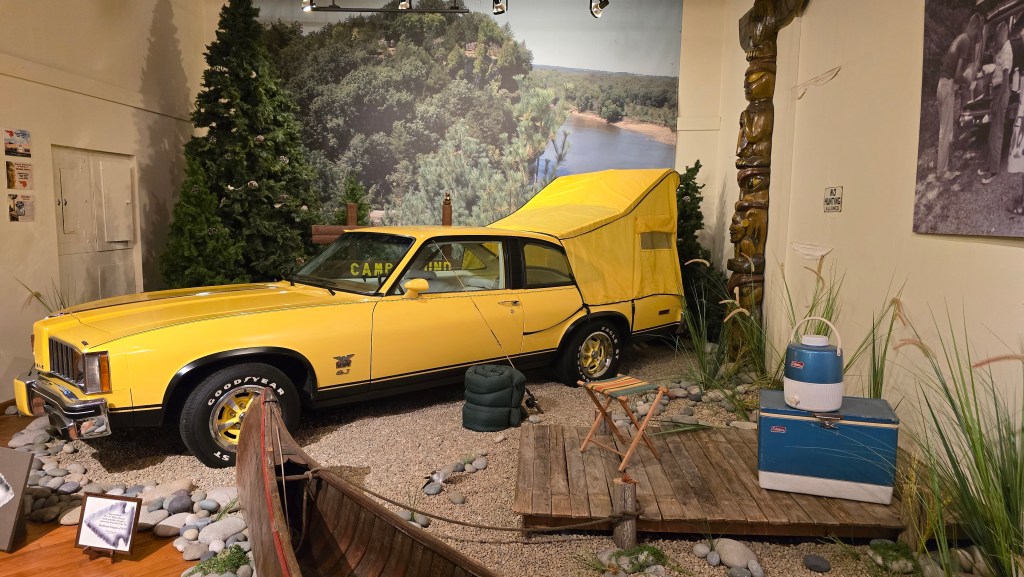
The Pontiac-Oakland Museum in Pontiac began in August of 2010. Tim Dye was driving back home to Oklahoma. He was returning from a Pontiac show near Chicago. While driving south on I-55, he noticed signs for the city of Pontiac, he decided to check out the town. As he explored the city, he visited the International Walldog Mural & Sign Art Museum and struck up a conversation. Tim showed his recently published book on Pontiac-Oakland memorabilia and history. He mentioned that he was looking for a suitable place. He wanted to exhibit his vast personal collection of artifacts. Where better than Pontiac, IL?
Pontiac Mayor, Robert Russell was told of Tim’s visit and negotiations began. By early 2011, city officials approved the start of work on remodeling an empty storefront directly across from City Hall. The Museum opened in July of 2011. Less than a year from Tim’s first visit.
And one more!
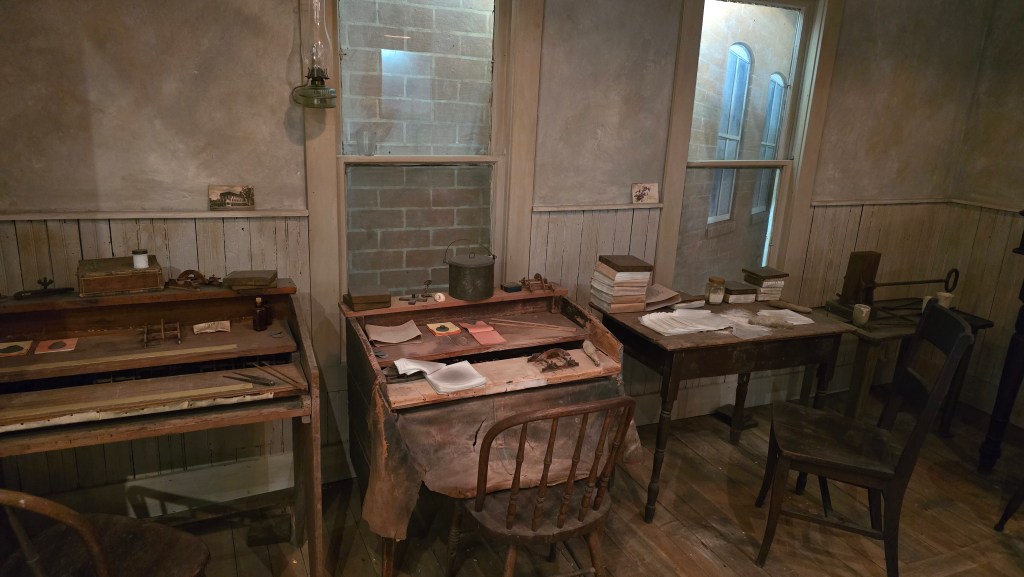
In June of 2012, the Society of Gilders opened The Museum of the Gilding Arts in Pontiac. One of the Walldogs mural artists had a connection with the owners of an East Coast gilding factory. The factory needed a permanent home for their collection. Pontiac’s history of embracing the arts and supporting cultural activities and having a thriving mural and sign-painting scene made for a good fit. In 2015 the City of Pontiac gave the Society of Gilders their own storefront.
Key Economic Drivers and Impact
Tourism Surge: The city intentionally banked on tourism for economic recovery. Museums serve as anchor attractions. They draw visitors from around the world.
Direct Spending: Visitors are often drawn by the combination of Route 66 history and unique museums. They spend money on local lodging, dining, and souvenirs. For example, this includes items at the Route 66 Hall of Fame & Museum.
Cultural Identity as a Resource: The Pontiac-Oakland Automobile Museum and murals create a distinct, marketable brand for the town.
Multiplier Effect: These attractions help support local jobs in hospitality and, according to national data, often stimulate an additional $2.20 in the local economy for every dollar of direct revenue.
 The Backyard Tourist
Leave a comment